
Shining Bright: The Rise of Sustainable Jewelry and Its Impact on the Fashion Industry
Jewelry has long been a symbol of beauty, status, and personal expression. Yet, behind the sparkle of many pieces lies a story of environmental harm and unethical practices. Today, a growing number of consumers and designers are turning to sustainable jewelry as a way to enjoy elegance without compromising the planet or people. This shift is reshaping the fashion industry, offering new ways to create, buy, and appreciate jewelry that respects the Earth and its communities.

Handcrafted sustainable gold ring showcasing eco-friendly design and natural materials
What Makes Jewelry Sustainable?
Sustainable jewelry focuses on reducing environmental impact and promoting ethical practices throughout the entire lifecycle of a piece. This includes sourcing materials responsibly, minimizing waste, and ensuring fair labor conditions. Key elements include:
Recycled metals: Using gold, silver, and platinum recovered from old jewelry or industrial scraps reduces the need for new mining, which often damages ecosystems and consumes vast energy.
Ethically sourced gemstones: Stones mined under fair labor conditions and with minimal environmental disruption are preferred. Some brands also use lab-grown gems, which avoid mining altogether.
Eco-friendly production: Techniques that reduce water use, energy consumption, and chemical waste help lower the carbon footprint of jewelry making.
Transparency and traceability: Brands that openly share where and how their materials are sourced build trust and encourage responsible consumer choices.

Most of the jewelry created by Raccoon Designs is from recycled metals. Visit The Shop
Why Sustainable Jewelry Matters
The traditional jewelry industry has faced criticism for its environmental and social costs. Mining for precious metals and gems can lead to deforestation, soil erosion, water pollution, and displacement of communities. Additionally, some mining operations exploit workers, including child labor in certain regions.
Sustainable jewelry addresses these issues by:
Protecting ecosystems: Avoiding destructive mining helps preserve biodiversity and natural habitats.
Supporting communities: Fair wages and safe working conditions improve lives in mining regions.
Reducing waste: Recycling metals and using lab-grown gems cut down on resource extraction.
Lowering carbon emissions: Eco-friendly production methods reduce the jewelry industry's contribution to climate change.
Consumers increasingly want to align their purchases with their values. Choosing sustainable jewelry allows them to enjoy beautiful pieces while supporting a healthier planet and fairer industry.
Examples of Sustainable Jewelry Practices
Several brands and designers have embraced sustainability with innovative approaches:
Recycled Gold and Silver: Brands like Brilliant Earth and Catbird use recycled metals exclusively. This process saves energy and reduces mining waste.
Lab-Grown Diamonds: Companies such as MiaDonna and Diamond Foundry offer diamonds created in labs that are chemically identical to mined stones but avoid environmental damage.
Fair Trade Gemstones: Some jewelers source sapphires, rubies, and emeralds from mines certified by organizations like Fairtrade International, ensuring ethical labor and environmental standards.
Upcycled Jewelry: Designers transform vintage or broken pieces into new creations, giving old materials a second life and reducing demand for new resources.
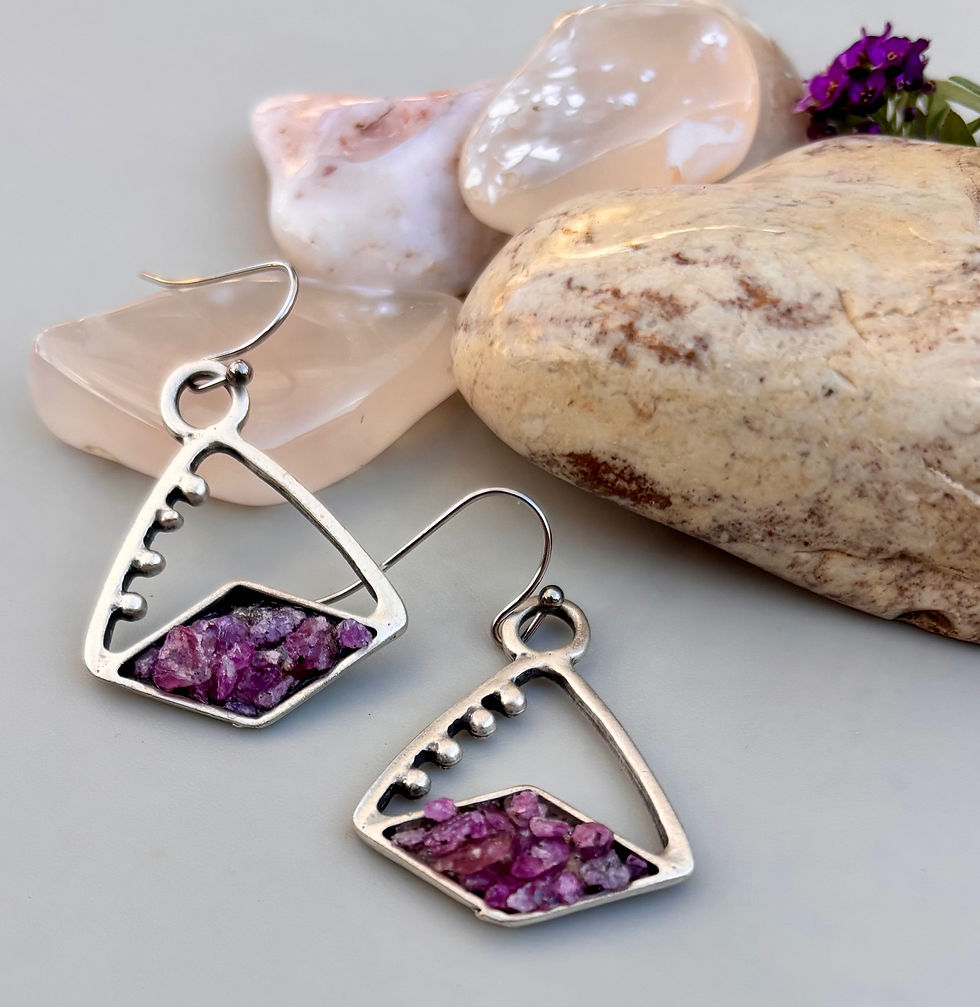
All of the stones used by Raccoon Designs are Fair Trade. Visit the Shop
How Consumers Can Support Sustainable Jewelry
Making sustainable choices in jewelry requires awareness and intentional shopping. Here are practical tips for consumers:
Ask questions: Inquire about the origin of metals and stones, and the brand’s environmental policies.
Look for certifications: Labels like Fairtrade, Responsible Jewellery Council (RJC), or Kimberley Process for diamonds indicate higher ethical standards.
Choose recycled or lab-grown materials: These options reduce environmental impact.
Buy less, choose well: Investing in fewer, high-quality pieces made sustainably can be more meaningful and eco-friendly than frequent fast-fashion purchases.
Support local artisans: Handmade jewelry often involves smaller-scale, more transparent production.
The Fashion Industry’s Response to Sustainable Jewelry
Major fashion houses and retailers are starting to incorporate sustainable jewelry into their collections. This shift reflects growing consumer demand and awareness of environmental issues.
Luxury brands: Companies like Tiffany & Co. and Chopard have committed to sourcing 100% responsibly mined or recycled metals and stones.
Collaborations: Designers partner with sustainable jewelers to create limited-edition collections that highlight ethical craftsmanship.
Transparency initiatives: Brands publish detailed reports on their sourcing and production practices to build consumer trust.
Innovation in materials: New alternatives such as bio-based resins and lab-grown pearls are entering the market.
This movement encourages the entire fashion industry to rethink how jewelry fits into a sustainable wardrobe.
Challenges and Opportunities Ahead
Despite progress, sustainable jewelry faces challenges:
Higher costs: Ethical materials and fair labor often increase production expenses, making pieces pricier.
Consumer education: Many shoppers remain unaware of the environmental and social impacts of traditional jewelry.
Supply chain complexity: Tracking materials from mine to market requires robust systems and cooperation.
Still, these challenges create opportunities for innovation and leadership. Brands that prioritize sustainability can build loyal customer bases and inspire industry-wide change.
Sustainable jewelry is more than a trend. It represents a meaningful shift toward responsible fashion that values the planet and people. By choosing pieces made with care and respect, consumers can enjoy timeless beauty while supporting a better future for the jewelry industry and the world.


Comments